
Preparing a Five Year Plan for Wellness
A five-year wellness plan is not about short bursts of motivation or temporary lifestyle changes. It is about designing a structured, adaptable system that supports physical health, mental clarity, emotional stability, and environmental balance over time. Most people approach wellness reactively, changing diet after weight gain, exercising after health scares, or focusing on stress management only when burnout occurs. That reactive approach rarely produces lasting results.
A long-term wellness plan flips that model. Instead of reacting to problems, it builds systems that prevent them. It recognizes that health is shaped by thousands of small decisions repeated consistently over years, not by isolated efforts. Sleep quality, movement habits, living environments, relationships, and stress levels all interact continuously, shaping overall well-being.
This guide outlines how to build a structured five-year wellness framework that evolves with you. It focuses on physical discipline, environmental design, recovery systems, lifestyle planning, mental resilience, nutrition, and long-term adaptability. The goal is not perfection, but sustainable improvement that compounds year after year.
Building Physical Discipline Through Consistent Movement Systems
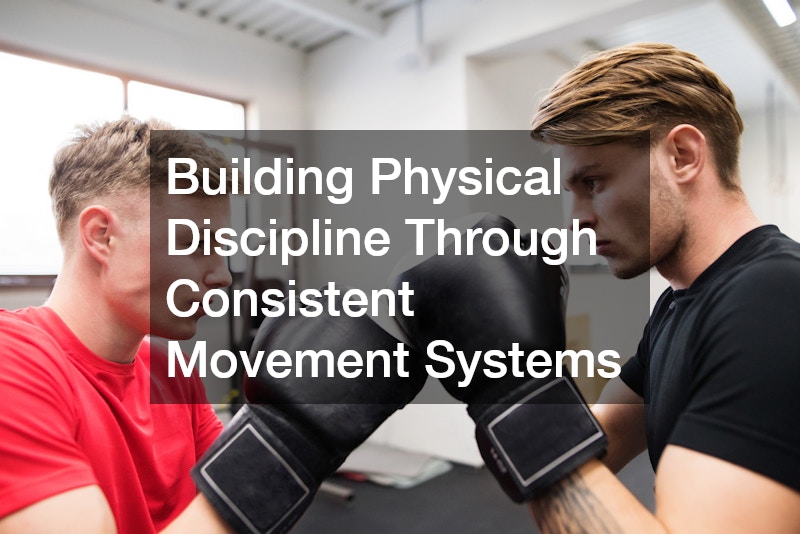
Physical wellness begins with consistent movement patterns that can be sustained across years, not weeks. The most effective fitness systems are not extreme or temporary; they are structured, progressive, and adaptable to different life stages.
One highly effective approach to long-term discipline is training that combines physical conditioning with mental focus. Practices such as martial arts develop not only strength and endurance but also coordination, patience, and emotional control. Over time, this type of structured movement becomes less about exercise and more about identity. It teaches consistency under discomfort, which carries over into every other area of life.
A five-year physical plan should not focus solely on intensity but on progression. The body adapts quickly, so sustainability matters more than initial effort. A well-designed system typically includes phases that gradually increase difficulty while allowing recovery cycles.
Key principles for long-term physical discipline include:
- Training consistency over intensity spikes
- Balancing strength, flexibility, and mobility
- Scheduling recovery weeks every 6–10 weeks
- Tracking energy levels rather than just performance
Another often-overlooked indicator of long-term health is subtle biological change. For example, shifts in hair follicles can sometimes reflect nutritional deficiencies, hormonal imbalance, or chronic stress exposure. While not a diagnostic tool on its own, it can act as a visible signal that the body is under strain. Observing these signals over time helps refine training, sleep, and nutrition strategies.
A strong physical wellness plan is not about pushing harder every year. It is about refining efficiency, reducing injury risk, and maintaining consistency even during stressful life phases.
Creating a Clean and Supportive Living Environment
Environmental health plays a major role in overall wellness, yet it is often ignored in favor of exercise and diet. A cluttered or chemically heavy environment can increase stress levels, reduce focus, and negatively affect sleep quality.
One of the most impactful changes in a long-term wellness plan is simplifying physical surroundings. Systematic junk removal helps reduce mental overload by eliminating unnecessary visual and physical distractions. When the environment is organized and intentional, decision fatigue decreases significantly, allowing more cognitive energy for meaningful tasks.
A structured decluttering approach can include:
- Removing unused items every quarter
- Organizing spaces based on daily usage frequency
- Eliminating duplicate or non-functional possessions
- Creating dedicated zones for rest, work, and activity
Environmental wellness also includes reducing chemical exposure in everyday life. Many people underestimate how household materials affect long-term health. Transitioning toward safer alternatives, such as organic pool chemicals, can reduce exposure to harsh substances while still maintaining cleanliness and usability in recreational spaces. This shift may seem small, but over the years, it contributes to a lower toxic load on the body.
Clean environments do more than improve physical health; they improve mental clarity. A simplified space reduces background stress and allows the mind to focus more effectively on recovery, creativity, and decision-making.
Designing Recovery Systems for Long-Term Physical Balance
Recovery is often treated as secondary to training, but in a long-term wellness plan, it is equally important. Without proper recovery, physical performance declines, injury risk increases, and mental fatigue accumulates.
A five-year wellness strategy should include structured recovery methods that evolve with the body’s needs. Recovery is not just rest; it is an active process of restoring balance in the nervous system, muscles, and hormonal cycles.
Advanced recovery methods can include temperature-based therapies. For example, using a thermal chamber rental can support circulation improvement, inflammation reduction, and nervous system regulation when used appropriately. These methods should always be scheduled strategically rather than used impulsively.
Recovery principles include:
- Prioritizing sleep consistency over irregular rest patterns
- Integrating active recovery days into training schedules
- Monitoring fatigue levels weekly
- Avoiding continuous high-intensity training cycles
Water-based relaxation also plays a significant role in long-term recovery. Warm water environments can reduce muscle tension and support joint health. In some wellness systems, solar pool heating is used to maintain consistent water temperatures for year-round hydrotherapy benefits. This allows recovery routines to remain stable regardless of seasonal changes.
Over time, recovery becomes not just a response to fatigue, but a structured part of daily life. When properly integrated, it improves performance, reduces injury risk, and supports emotional regulation.
Planning Lifestyle Environments That Support Long-Term Health
Where and how a person lives has a profound impact on long-term wellness outcomes. Environmental design affects stress levels, sleep quality, physical activity, and even social interaction patterns.
A five-year wellness plan should consider not just daily habits, but also long-term living environments. Some individuals find that rural or nature-based environments significantly improve their mental and physical health due to reduced noise, cleaner air, and increased outdoor activity.
In some cases, people explore long-term property investments such as ranches for sale as part of a broader lifestyle shift toward more open, nature-integrated living. These environments often support higher levels of physical activity and lower levels of chronic stress due to reduced urban density.
Short-term retreats also play a role in mental reset cycles. Natural environments, such as cabins Frio River settings, offer opportunities to disconnect from high-stimulation environments and reset cognitive load. These periods of separation are essential for preventing burnout in long-term wellness systems.
A structured approach to lifestyle planning may include:
- Annual nature retreats for mental reset
- Evaluating housing every 2–3 years for wellness alignment
- Choosing environments with access to outdoor movement
- Reducing proximity to high-stress urban triggers
Lifestyle design is not about escaping modern life entirely. It is about balancing stimulation with recovery in a way that supports long-term health.
Supporting Hormonal and Lifecycle Wellness Systems
Hormonal balance is one of the most important yet least understood components of long-term wellness. Hormones regulate energy, mood, metabolism, and reproductive health, making them central to overall well-being.
A five-year wellness plan should include awareness of how lifestyle factors influence hormonal stability. Sleep quality, nutrition, stress levels, and environmental exposure all contribute to hormonal regulation. Ignoring these factors can lead to long-term imbalances that affect both physical and emotional health.
In reproductive health planning, some individuals prefer more holistic or supportive care environments. Facilities such as natural birth centers are designed to provide lower-intervention approaches to reproductive wellness, emphasizing comfort, autonomy, and holistic care. These environments reflect a broader shift toward personalized healthcare models.
Key hormonal wellness principles include:
- Maintaining consistent sleep cycles
- Managing chronic stress exposure
- Supporting nutrient-dense diets
- Avoiding extreme dietary fluctuations
Hormonal health is not static; it changes across life stages. A strong wellness plan anticipates these changes and adapts accordingly rather than reacting after issues arise.
Designing Life Events Around Wellness Priorities
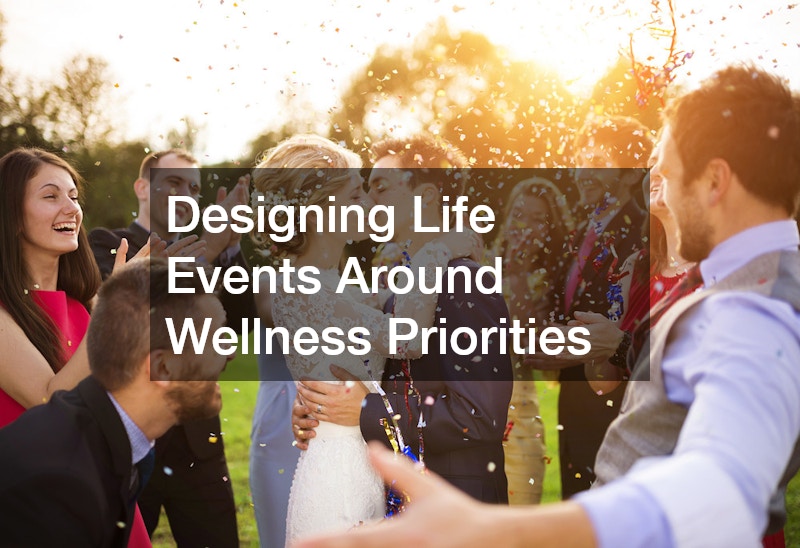
Major life events can either support or disrupt long-term wellness depending on how they are structured. Events such as weddings, relocations, or major celebrations often introduce stress, irregular routines, and emotional intensity.
Instead of treating these events as isolated moments, a five-year wellness plan integrates them into an overall health strategy. For example, selecting environments such as a best wedding venue is not just about aesthetics or logistics but also about emotional atmosphere, stress levels, and accessibility. A calm, nature-aligned setting can significantly reduce stress during high-pressure life events.
A wellness-centered approach to life events includes:
- Planning with adequate recovery time before and after events
- Choosing environments that reduce sensory overload
- Delegating logistical responsibilities when possible
- Maintaining sleep and nutrition routines during transitions
Wellness is not paused during major life events; it is tested during them. Planning ahead ensures that these moments enhance rather than disrupt long-term stability.
Strengthening Mental Resilience and Cognitive Stability
Mental wellness is a core pillar of long-term health, yet it is often overlooked in favor of physical fitness. Cognitive resilience determines how well individuals handle stress, uncertainty, and emotional fluctuations over time.
A five-year mental wellness plan focuses on building systems that support clarity and emotional regulation. Practices such as journaling, meditation, and structured reflection help reduce mental overload and improve decision-making quality.
Key mental resilience strategies include:
- Daily stress tracking and reflection
- Limiting unnecessary digital stimulation
- Practicing emotional awareness techniques
- Building structured problem-solving habits
Over time, mental resilience reduces burnout risk and improves adaptability. It allows individuals to navigate challenges without losing long-term direction.
Developing Nutritional Stability and Metabolic Health
Nutrition is one of the most influential factors in long-term wellness, yet it is often treated inconsistently. Diet trends frequently lead to short-term results followed by long-term instability.
A sustainable nutritional system focuses on consistency rather than restriction. The goal is not perfection but metabolic stability over time. This includes balanced macronutrient intake, stable eating patterns, and attention to energy fluctuations throughout the day.
Long-term nutrition principles include:
- Eating consistent meal structures
- Avoiding extreme dietary changes
- Monitoring energy response to foods
- Prioritizing whole, minimally processed foods
Nutrition is not separate from wellness; it is the fuel system that supports every other pillar.
Building Social and Relationship Stability
Social environments significantly influence long-term wellness outcomes. Relationships can either support growth or contribute to chronic stress, depending on their quality and stability.
A strong wellness plan includes intentional relationship management. This involves identifying supportive connections, setting boundaries with draining relationships, and investing time in meaningful social interactions.
Healthy social systems include:
- Regular communication with supportive individuals
- Limiting exposure to chronic negativity
- Participating in community-based activities
- Prioritizing emotionally safe relationships
Social wellness is often the most underestimated pillar of long-term health, yet it has a direct impact on stress levels, motivation, and emotional stability.
Establishing a Five-Year Execution and Review System

A wellness plan is only effective if it is actively maintained and adjusted over time. Without structured review systems, even well-designed plans lose effectiveness.
A five-year wellness framework should include regular evaluation points to measure progress and adjust strategies. This ensures alignment with evolving life circumstances and health needs.
A structured review system includes:
- Monthly wellness check-ins
- Annual goal reassessment
- Tracking physical, mental, and emotional indicators
- Adjusting strategies based on results
Flexibility is essential. A rigid plan fails when life changes; an adaptable system remains effective across changing conditions.
A five-year wellness plan is ultimately a commitment to long-term self-investment. It is not defined by perfection or strict adherence to rules, but by consistency, awareness, and adaptability over time. The most effective wellness systems are not the ones that are followed flawlessly every day, but the ones that are returned to again and again after inevitable disruptions. Life changes, motivation fluctuates, and circumstances shift, but a structured framework ensures you always have a stable direction to return to.
Wellness is shaped by thousands of small decisions, such as how you move, where you live, how you recover, what you consume, and who you spend time with. When these elements are aligned into a structured system, they create compounding benefits that significantly improve quality of life. Over time, these small choices begin to reinforce each other: better sleep improves training consistency, improved nutrition enhances recovery, and reduced stress strengthens mental clarity. The result is not just better health metrics, but a more stable and capable daily experience.
What often surprises people is how gradual the transformation actually feels in real time. A well-designed five-year wellness approach rarely produces dramatic overnight change. Instead, it creates a steady upward trajectory that becomes more obvious when looking back than when looking day to day. This is why long-term tracking and reflection are so important. Without them, meaningful progress can feel invisible, even when it is significant.
Another important realization is that wellness is not a fixed destination. It is a dynamic system that evolves alongside your life stages, responsibilities, and environment. The needs of your body, mind, and lifestyle at year one will not be identical to those at year five. A strong plan anticipates this and allows for recalibration instead of rigidity. Flexibility is not a weakness in a wellness system; it is what keeps it alive and usable.
Ultimately, building a long-term wellness framework is about creating stability in a world that is constantly changing. It gives you structure without restriction, direction without pressure, and consistency without burnout. When approached correctly, it becomes less of a plan you “follow” and more of a way you live.